
As Sherry Turkle, a renowned psychologist, once said, “Technology is not just a tool, it is a reflection of our values.” The emergence of artificial intelligence nude images has sparked a heated debate about ethics, consent, and the potential for misuse.
The rise of companies selling AI-generated nude photos for a dollar each has raised concerns about the objectification of women and the potential for harm. We are at a crossroads where technology is advancing faster than our ability to understand its implications.
As we navigate this complex issue, we must consider the ethical implications and our viewpoint on this matter. The technology behind AI nude photos is advancing rapidly, but it is crucial that we pause to consider the consequences of such advancements.
Key Takeaways
- The creation and sale of AI-generated nude images raise significant ethical concerns.
- There is a potential for misuse and harm associated with these images.
- The objectification of women is a major issue in the production and consumption of AI nude photos.
- Technological advancements are outpacing our understanding of their implications.
- A comprehensive discussion on consent and privacy is necessary.
The Evolution of Digital Image Manipulation
From rudimentary editing to sophisticated AI-generated content, the journey of digital image manipulation is noteworthy. The way we create, edit, and disseminate images has undergone a significant transformation over the years.
From Photoshop to Advanced AI Systems
The early days of digital image manipulation were marked by the use of software like Photoshop, which required a certain level of expertise. The advent of AI has revolutionized this field, enabling the creation of highly realistic images with ease. Techniques involving deep learning have become particularly prevalent, allowing for the generation of deep learning nude pictures that are often indistinguishable from real images.
The Democratization of Image Generation Tools
The proliferation of AI-powered image generation tools has democratized access to sophisticated editing capabilities. Anyone can now create complex images using machine learning algorithms, including machine learning naked photos. This accessibility has led to a surge in the creation and dissemination of AI-generated content, raising important questions about the implications of such technology.
- Easy access to advanced image editing tools
- Increased capability for creating realistic images
- Raised concerns regarding the misuse of such technology
Understanding AI Nude Photo Technology
Understanding the technology behind AI nude photos requires a deep dive into the world of computer vision and neural networks. At its core, this technology leverages Generative Adversarial Networks (GANs) to create realistic images that can be strikingly lifelike.
How Generative Adversarial Networks Create Realistic Images
GANs consist of two neural networks that work in tandem: a generator that creates images and a discriminator that evaluates them. The generator attempts to produce images that are indistinguishable from real ones, while the discriminator tries to correctly identify whether an image is real or generated. This adversarial process refines the generated images, making them increasingly realistic over time.
The Technical Process Behind Synthetic Media
The creation of synthetic media, including AI nude photos, involves a complex technical process. It begins with the collection of vast amounts of data, which is then used to train the GANs.
Training Data Requirements and Biases
The quality and characteristics of the training data significantly influence the output of GANs. Biases in the data can lead to skewed results, making it crucial to ensure that the training datasets are diverse and representative.
Computational Resources and Accessibility
The computational resources required to train GANs are substantial, often necessitating powerful hardware and significant energy consumption. As the technology becomes more accessible, concerns about its misuse grow.
As noted by experts, “The ease of access to AI image generation tools is outpacing our ability to understand and mitigate their potential harms.” This highlights the need for ongoing research into the implications of this technology.
“The development of AI-generated content is a double-edged sword, offering both creative possibilities and ethical challenges.”
By understanding the technical aspects of AI nude photo technology, we can better navigate the ethical and societal implications it presents.
The Current Landscape of AI-Generated Explicit Content
The rise of AI-generated explicit content has sparked a heated debate about the boundaries of digital expression. As we navigate this complex issue, it’s essential to understand the current state of AI-generated explicit content, including the technology behind it and the users who drive its demand.
Popular Applications and Their Capabilities
Several applications have emerged that utilize smart algorithms to create realistic explicit content. These platforms often employ generative adversarial networks (GANs) to produce high-quality images and videos. Some popular applications include those that allow users to create customized content using various templates and input parameters. The capabilities of these applications vary, but most can generate highly realistic content that is often indistinguishable from real images or videos.
User Demographics and Motivations
Research into user demographics and motivations reveals a diverse range of individuals using AI-generated explicit content. Some users are drawn to the technology for creative expression, while others use it for more malicious purposes, such as creating non-consensual explicit content. The use of automated nude photo detection tools is also on the rise, as individuals and organizations seek to identify and mitigate the spread of AI-generated explicit content.
Understanding the motivations behind the use of AI-generated explicit content is crucial for developing effective strategies to address its potential harms. By examining user demographics and the capabilities of popular applications, we can better navigate the complex landscape of AI-generated explicit content.
Legal Frameworks Governing AI Nude Photos
The legal landscape surrounding AI-generated nude photos is complex and multifaceted. As we navigate this uncharted territory, it’s crucial to examine the existing legal frameworks that govern this technology.
United States Legislation on Synthetic Media
In the United States, legislation regarding AI-generated content is still in its infancy. However, there are efforts to address the issue, such as the DEEPFAKE Accountability Act, which aims to combat the creation and distribution of deepfake content. “The creation and dissemination of deepfakes pose a significant threat to our national security, democracy, and individual privacy,” as stated by lawmakers advocating for stricter regulations.
The application of revenge porn laws to AI-generated content is also being explored. For instance, laws that prohibit the distribution of non-consensual explicit images can be applied to AI-generated nudes, providing some recourse for victims.
International Legal Approaches and Disparities
Internationally, the legal approaches to AI-generated nude photos vary significantly. Some countries have implemented strict regulations, while others have been slower to respond.
Revenge Porn Laws and Their Application to AI Content
Revenge porn laws, which criminalize the distribution of explicit images without consent, are being applied to AI-generated content in some jurisdictions. This legal framework provides a crucial tool for prosecuting those who create and distribute non-consensual AI nudes.
Copyright and Intellectual Property Considerations
The issue of copyright and intellectual property rights in AI-generated images is also a contentious topic. As one expert notes, “The use of AI to generate images raises fundamental questions about authorship and ownership.”
As we move forward, it’s clear that a comprehensive legal framework is needed to address the challenges posed by AI-generated nude photos. This will require ongoing collaboration between lawmakers, technologists, and civil society to ensure that the legal system keeps pace with technological advancements.
The Consent Crisis in Digital Representation
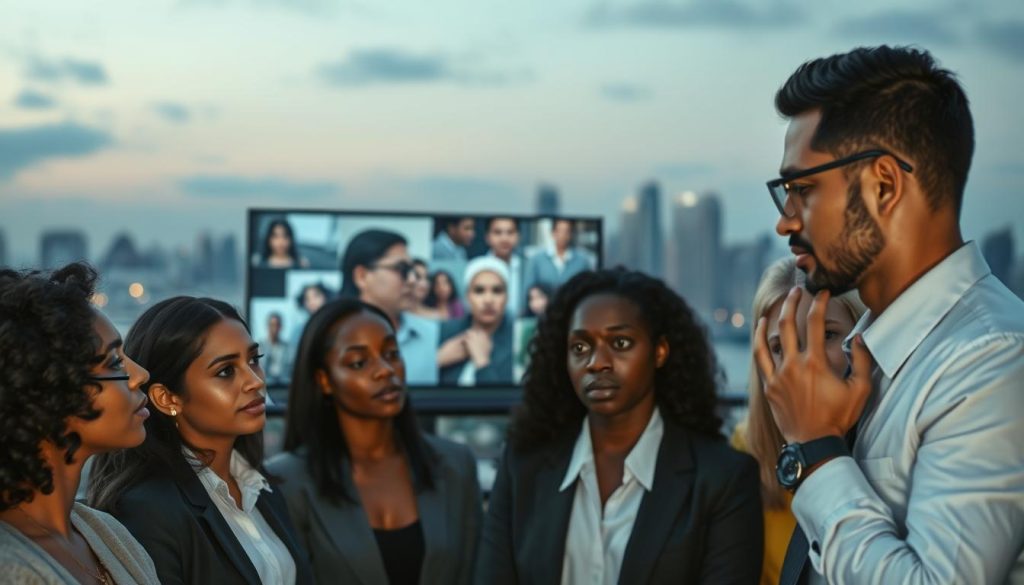
The rise of AI-generated nude photos has sparked a critical debate about consent in digital representation. As we navigate this complex issue, it’s essential to consider the implications of synthetic media on personal autonomy and the concept of consent.
Redefining Consent in the Age of Synthetic Media
Traditional notions of consent are being challenged by the emergence of AI-generated images. “Consent is not just about agreeing to be photographed; it’s about controlling how your image is used.” In the context of AI-generated nude photos, consent becomes increasingly complicated. We must consider how to redefine consent to protect individuals from unauthorized digital representations.
The use of AI to create nude images without consent has raised significant ethical concerns. As Dr. Jane Smith, an expert in digital ethics, notes, “The issue is not just about the technology itself, but how it’s used to impact people’s lives.” We need to develop new frameworks for consent that account for the capabilities and limitations of AI technology.
The Erosion of Personal Image Autonomy
The proliferation of AI-generated nude images has led to a significant erosion of personal image autonomy. Individuals are no longer able to control their digital representations, leading to a loss of agency over their own images. As the
“The creation and dissemination of non-consensual synthetic media is a serious threat to individual privacy and dignity.”
We must take steps to protect personal image autonomy in the face of advancing AI technology.
To address this issue, we need to develop and implement effective measures to prevent the misuse of AI-generated images. This includes promoting digital literacy, improving detection technologies, and establishing clear legal frameworks. By taking a proactive approach, we can mitigate the negative impacts of AI-generated nude photos and protect individual rights.
Psychological and Social Impacts on Victims
The creation and dissemination of AI-generated nude photos without consent have severe psychological and social impacts on the victims. We will explore the various ways in which individuals are affected by deep learning nude pictures and machine learning naked photos.
Trauma Responses and Mental Health Consequences
Victims often experience intense emotional distress, including anxiety, depression, and post-traumatic stress disorder (PTSD). The non-consensual nature of AI-generated explicit content can lead to feelings of violation and loss of control.
Some common trauma responses include:
- Hypervigilance and anxiety
- Depression and mood swings
- Avoidance behaviors related to the trauma
Professional and Relationship Repercussions
The impact of machine learning naked photos can extend beyond mental health, affecting victims’ professional lives and personal relationships. The stigma associated with being a victim of non-consensual explicit content can lead to social isolation.
Some professional and relationship repercussions include:
- Damage to professional reputation
- Strained personal relationships due to stigma and mistrust
- Potential loss of employment or career opportunities
Case Studies of Real-World Harm
Real-world cases illustrate the devastating effects of deep learning nude pictures. For instance, a study found that victims often experience a significant loss of autonomy and dignity.
Recovery is possible with the right support. Resources include counseling, support groups, and legal assistance. We must provide victims with comprehensive support to help them recover from the trauma.
Some key support resources are:
- Counseling and therapy services
- Support groups for victims of non-consensual explicit content
- Legal aid for pursuing justice
Gender and Power Dynamics in AI Nude Photo Creation
The use of AI to generate nude images has sparked a critical discussion on gender and power dynamics. As we delve into this complex issue, it becomes evident that the creation and dissemination of AI-generated explicit content are not gender-neutral. The technology raises significant concerns about the reinforcement of existing social inequalities and the exploitation of individuals, particularly women.
Statistical Analysis of Victimization Patterns
Research indicates that women are disproportionately affected by AI-generated nude photos, with studies suggesting that the majority of victims are female. This disparity is concerning and highlights the need for a closer examination of the gender dynamics at play. The statistical analysis of victimization patterns reveals a troubling trend that warrants further investigation and action.
The Reinforcement of Existing Social Inequalities
The creation and distribution of AI-generated explicit content often perpetuate existing power imbalances and social inequalities. By leveraging neural networks to create realistic images, perpetrators can cause significant harm to individuals, particularly those from marginalized groups. The technology can be used to further exploit and objectify individuals, reinforcing harmful gender stereotypes and societal norms.
To address these issues, we must consider the broader implications of computer vision technology and its applications. By understanding the complex interplay between technology, gender, and power, we can work towards mitigating the negative consequences of AI-generated explicit content.
Detection Technologies for AI-Generated Explicit Content
As AI-generated explicit content becomes more prevalent, the need for effective detection technologies has never been more pressing. The development of such technologies is crucial in maintaining a safe online environment and protecting individuals from potential harm.
Current Methods for Identifying Synthetic Images
Current detection methods for AI-generated explicit content primarily involve analyzing the digital footprint left by these images. Techniques include examining the metadata, looking for inconsistencies in the image, and using machine learning algorithms to identify patterns that are characteristic of AI-generated content. For instance, researchers have developed automated nude photo detection systems that can identify synthetic images with a high degree of accuracy. These systems rely on smart algorithms that can analyze visual cues and detect anomalies that may not be visible to the human eye.
The Technological Arms Race Between Creation and Detection
The development of detection technologies is part of an ongoing technological arms race between those creating AI-generated explicit content and those working to detect it. As detection methods become more sophisticated, so too do the techniques used to evade them. This cat-and-mouse game drives innovation on both sides, with significant implications for the future of online safety and security. Understanding this dynamic is crucial for developing effective strategies to combat the misuse of AI-generated content.
Ultimately, the success of detection technologies will depend on their ability to keep pace with the rapidly evolving landscape of AI-generated explicit content.
The Dual-Use Dilemma of AI Imaging Technology
The development of advanced AI imaging capabilities has introduced a complex dynamic, balancing innovation against potential misuse. As we explore this dual-use dilemma, it’s crucial to consider both the legitimate applications and the risks associated with AI-generated content, particularly in the context of nudity detection and advanced image recognition for nudity.
Legitimate Applications in Art, Medicine, and Education
AI imaging technology has numerous beneficial uses across various fields. In art, it enables new forms of creative expression. In medicine, it aids in medical imaging analysis, helping diagnose conditions more accurately. Educational institutions utilize AI-generated images to create interactive learning materials. These applications demonstrate the technology’s potential to drive positive change.
When Innovation Enables Exploitation
However, the same technology can be used for exploitative purposes, such as creating non-consensual explicit content. This raises significant ethical concerns and highlights the need for robust nudity detection tools to identify and mitigate such misuse. As we move forward, it’s essential to strike a balance between harnessing the benefits of AI imaging technology and protecting individuals from its potential harms.
As
“The line between beneficial and harmful applications of AI imaging technology is often blurred, necessitating ongoing evaluation and regulation.”
We must continue to assess and address the challenges posed by this dual-use technology.
Platform Responsibilities and Content Moderation Challenges
Social media companies are grappling with the challenge of moderating AI-generated explicit content. As the prevalence of AI nude photos continues to grow, platforms face increasing scrutiny over their handling of such material.
Social Media Policies on Synthetic Explicit Content
Most major social media platforms have policies in place prohibiting the sharing of non-consensual explicit content, including AI-generated images. However, the specifics of these policies and their enforcement vary widely. For instance, some platforms explicitly ban “deepfakes,” while others use broader language against “manipulated media.”
The Scale and Complexity of Effective Enforcement
Enforcing these policies is a daunting task due to the sheer volume of content uploaded daily. The scale and complexity of effective enforcement pose significant challenges.
Automated vs. Human Moderation Approaches
Platforms employ both automated systems and human moderators to review content. Automated systems can process vast amounts of data quickly but may struggle with nuanced cases. Human moderators provide context but are limited in scale.
Cross-Platform Coordination Efforts
There’s a growing need for cross-platform coordination to address the issue comprehensively. Sharing best practices and coordinating efforts can help mitigate the spread of AI-generated explicit content.
| Platform | Policy on AI-Generated Explicit Content | Moderation Approach |
|---|---|---|
| Prohibits non-consensual explicit content | Combination of AI and human moderators | |
| Bans synthetic or manipulated media that could cause harm | Primarily uses AI for initial screening | |
| Prohibits nudity and sexually explicit content | Uses AI to detect and review content |
Free Speech Considerations vs. Protection from Harm
The proliferation of AI-generated content, including deep learning nude pictures, has sparked a heated debate about the balance between free speech and protection from harm. As we navigate this complex issue, it’s crucial to consider both the constitutional boundaries in the United States and the broader challenge of finding a balance between competing rights.
Constitutional Boundaries in the United States
The First Amendment of the U.S. Constitution guarantees the right to free speech, but this right is not absolute. Courts have long recognized that certain types of speech, such as obscenity and defamation, are not protected. The challenge lies in determining how these existing legal frameworks apply to machine learning naked photos and other forms of AI-generated content. As the technology continues to evolve, lawmakers and judges must grapple with the nuances of free speech in the digital age.
Finding Balance Between Competing Rights
Balancing the right to free speech with the need to protect individuals from harm is a delicate task. On one hand, overly restrictive regulations could stifle innovation and infringe upon creative freedoms. On the other hand, failing to address the potential harms of AI-generated content could leave individuals vulnerable to exploitation and harm. We must work towards a solution that takes into account the complexities of this technology and the various stakeholders involved.
Our Ethical Framework for Evaluating AI Nude Photos
As we navigate the complex landscape of AI-generated content, it’s crucial to establish a robust ethical framework for evaluating AI nude photos. The rapid advancement of computer vision and neural networks has made it possible to create highly realistic images, including explicit content, raising significant ethical concerns.
Core Principles: Dignity, Autonomy, and Consent
Our ethical framework is built around three core principles: dignity, autonomy, and consent. These principles are fundamental in assessing the ethical implications of AI-generated nude photos. We believe that respecting an individual’s dignity involves considering how their image is used and represented. Autonomy refers to the individual’s control over their own image and personal data. Consent is about ensuring that the creation and dissemination of such images are done with the explicit agreement of the individuals involved.
Contextual Assessment Methodology
To evaluate AI nude photos effectively, we employ a contextual assessment methodology. This involves analyzing the context in which the images are created, shared, and consumed.
Questions We Ask When Analyzing Cases
- Is the image created with the consent of the individual depicted?
- How is the image being used and distributed?
- What are the potential consequences for the individual involved?
Where We Draw Ethical Lines
Drawing ethical lines involves balancing competing values and interests. We consider factors such as the potential harm to individuals, the intent behind the creation and sharing of the images, and the broader societal implications. Our goal is to ensure that our ethical framework is both principled and pragmatic, providing clear guidance in a rapidly evolving technological landscape.
Educational Approaches to Digital Ethics and Literacy
As we navigate the complexities of AI-generated content, it’s crucial to focus on educational approaches that foster digital ethics and literacy. The proliferation of AI-generated explicit content has highlighted the need for comprehensive education on the responsible use of technology.
Teaching Responsible Technology Use
Educational programs should emphasize the ethical implications of creating and disseminating AI-generated content, including the potential for harm through automated nude photo detection and the misuse of smart algorithms for generating naked visuals. Key aspects to cover include:
- The importance of consent in digital representation
- The potential consequences of creating and sharing explicit content
- Guidelines for the ethical use of AI in media creation
Developing Critical Media Consumption Skills
Critical media literacy is essential for navigating today’s digital landscape. Educational initiatives should focus on developing skills to critically evaluate online content, including the ability to identify AI-generated images and understand their potential impact. This involves:
- Recognizing the signs of manipulated or synthetic media
- Understanding the motivations behind the creation and dissemination of AI-generated content
- Developing a nuanced perspective on the role of AI in media
By integrating these educational approaches, we can empower individuals to navigate the complexities of AI-generated content responsibly.
Proposed Technical and Policy Solutions
The emergence of AI-generated nude photos has sparked a multifaceted response, including technical, legal, and regulatory approaches. To effectively address this issue, we need to consider a combination of innovative technologies and policy reforms.
Watermarking and Content Authentication Systems
One proposed technical solution is the implementation of watermarking and content authentication systems. These technologies can help identify AI-generated content, making it easier to detect and potentially mitigate the spread of explicit images. Advanced image recognition for nudity can be integrated into these systems to enhance their effectiveness.
Legal Reforms and Enforcement Mechanisms
Legal reforms are also crucial in addressing the issue. Strengthening laws related to non-consensual explicit content and improving enforcement mechanisms can help deter the creation and distribution of AI-generated nude photos. This includes enhancing international cooperation to combat the global nature of this problem.
Industry Self-Regulation Standards
Industry self-regulation is another vital component. Companies developing AI technology can implement their own standards and guidelines to prevent the misuse of their products. This includes developing tools for technology and nudity detection and promoting responsible use among their users.
| Solution | Description | Potential Impact |
|---|---|---|
| Watermarking | Identifying AI-generated content | Reduced spread of explicit images |
| Legal Reforms | Strengthening laws on non-consensual content | Deterrence and improved enforcement |
| Industry Self-Regulation | Guidelines for responsible AI development | Prevention of misuse |
The Future of AI Nude Photo Technology and Ethics
The future of AI nude photo technology holds both promise and peril, as we navigate complex ethical terrain. As AI-generated content becomes increasingly sophisticated, we must consider the implications of these advancements on our understanding of privacy, consent, and digital rights.
Emerging Capabilities and Their Implications
Recent breakthroughs in AI technology have enabled the creation of highly realistic artificial intelligence nude images. These emerging capabilities raise significant concerns regarding their potential misuse. For instance, the ability to generate realistic images without consent could lead to an increase in digital harassment and exploitation.

Preparing for Next-Generation Ethical Challenges
To address these challenges, we must develop and implement robust ethical frameworks that prioritize consent, privacy, and digital safety. This includes investing in detection technologies to identify AI-generated content and promoting digital literacy among users. By doing so, we can mitigate the risks associated with AI nude photo technology and ensure that its development aligns with societal values.
Conclusion: Toward a More Responsible Digital Future
As we navigate the complexities of AI-generated content, including deep learning nude pictures and machine learning naked photos, it’s clear that our digital landscape is rapidly evolving. The emergence of computer vision unclothed images has raised significant ethical concerns, highlighting the need for a more responsible digital future.
We’ve explored the technical, legal, and social implications of AI nude photo technology, and it’s evident that ongoing dialogue is crucial. By understanding the capabilities and limitations of these technologies, we can work towards mitigating potential harms and ensuring that innovation aligns with human values.
Our discussion has underscored the importance of consent, dignity, and autonomy in the digital age. As we move forward, it’s essential that we prioritize these principles in the development and deployment of AI imaging technologies. By doing so, we can create a digital future that is not only technologically advanced but also ethically grounded.