As Tim Berners-Lee, the inventor of the World Wide Web, once said, “The Web is a mirror of society, and it reflects all its aspects, both good and bad.” The emergence of the ‘undress AI generator’ has sparked controversy due to its potential to cause harm, especially to young people.
This technology uses AI to alter images or videos, raising concerns about privacy, consent, and online safety. As we explore this topic, it’s essential to understand the technology behind it and its implications. We need to consider how to protect our children online in a world where such technology is becoming increasingly sophisticated.
Key Takeaways
- Understanding the ‘undress AI generator’ technology and its potential risks.
- The importance of online safety and privacy for young people.
- Measures to protect children from the potential harm caused by this technology.
- The role of parents and guardians in monitoring online activities.
- The need for responsible use of AI technology.
Understanding the Undress AI Generator
With the emergence of the Undress AI Generator, the conversation around AI’s role in image editing has escalated. This tool, which utilizes artificial intelligence to remove clothing from images, has sparked both fascination and concern among users and critics alike.
What is the Undress AI Generator?
The Undress AI Generator is described as a type of AI tool that generates nude images from clothed photographs, primarily targeting images of women. It employs advanced machine learning techniques, specifically Generative Adversarial Networks (GANs), to achieve this.
How Does It Work?
The functionality of the Undress AI Generator is rooted in complex algorithms that analyze the input image, understand the context, and then generate an output based on that analysis. This process involves sophisticated machine learning models that are trained on vast datasets to learn patterns and make predictions.
The Technology Behind AI Image Generation
The technology driving the Undress AI Generator is based on Generative Adversarial Networks (GANs). GANs consist of two neural networks that work in tandem: one generates images, and the other evaluates them, providing feedback to improve the generator’s output. This iterative process enhances the quality and realism of the generated images.
| Technology | Description | Application |
|---|---|---|
| Generative Adversarial Networks (GANs) | A type of machine learning algorithm that generates new data based on training data. | Image generation, including the Undress AI Generator. |
| Neural Networks | Complex systems modeled after the human brain, used for pattern recognition and prediction. | Core component of GANs, enabling image analysis and generation. |
| Machine Learning | A subset of AI that involves training algorithms on data to make predictions or decisions. | Fundamental to the operation of the Undress AI Generator. |
The Rise of AI in Digital Art
AI’s foray into digital art has sparked a new era of creativity, but also controversy surrounding tools like the undress AI generator. As we explore this development, it’s crucial to understand both the evolution of AI in creative fields and how it compares to traditional art forms.
Evolution of AI in Creative Fields
The integration of AI in digital art has been rapid, with tools like the nude AI model creator pushing the boundaries of what is possible. AI algorithms can now generate highly realistic images, raising questions about authorship and creativity.
One of the significant advancements in AI image generation is the ability to create complex, detailed images with minimal input. This has opened up new possibilities for artists and designers, allowing them to explore new ideas and concepts.
“AI is not just a tool, it’s a collaborator. It challenges our perceptions of creativity and forces us to rethink what it means to be an artist.”
AI vs. Traditional Art: A Comparison
When comparing AI-generated art to traditional art, several differences emerge. Traditional art is often characterized by its human touch, with each piece reflecting the artist’s emotions and experiences. In contrast, AI-generated art, such as that produced by clothing removal AI tools, relies on algorithms and data.
| Aspect | Traditional Art | AI-Generated Art |
|---|---|---|
| Creativity Source | Human imagination and skill | Algorithmic processing and data |
| Production Time | Variable, often time-consuming | Rapid, sometimes instantaneous |
| Originality | Unique, original pieces | Based on patterns and existing data |
As AI continues to evolve, it’s likely that we’ll see a blending of these two forms, with artists incorporating AI tools into their creative processes. This fusion could lead to new and innovative forms of art that we cannot yet anticipate.
Controversial Aspects of the Undress AI Generator
The emergence of the undress AI generator has sparked debate regarding its applications and consequences. As a digital wardrobe changer, this technology has the potential to revolutionize how we interact with digital images. However, it also raises significant concerns that need to be addressed.
One of the primary issues surrounding the undress AI generator is its potential for misuse. The ability to alter images without consent has serious implications for privacy and security. Users may feel vulnerable to the creation of non-consensual explicit content, which can have severe psychological effects.
Ethical Implications of AI Image Generation
The ethical implications of AI image generation are multifaceted. On one hand, this technology can be seen as a tool for creative expression, allowing users to simulate different outfits and scenarios. On the other hand, it poses significant risks, including the potential for bullying, abuse, and impacts on mental health. Research has shown a substantial increase in spam referral links to ‘deepnude’ websites, highlighting the need for caution.
Risks Associated with AI Image Generators
| Risk | Description | Impact |
|---|---|---|
| Privacy Violations | Creation of non-consensual explicit content | Severe psychological effects on individuals |
| Cyberbullying | Misuse of AI-generated images for harassment | Increased instances of online bullying |
| Mental Health | Potential negative impacts on users’ mental well-being | Increased anxiety and stress related to image manipulation |
Privacy Concerns and Consent Issues
Privacy concerns are at the forefront of the controversy surrounding the undress AI generator. The technology’s ability to manipulate images raises questions about consent and the potential for misuse. Ensuring that users are aware of the risks and take necessary precautions is crucial.
As we move forward with AI technologies, it is essential to strike a balance between innovation and responsibility. This includes implementing measures to prevent misuse and protecting users from potential harm.
By understanding the controversial aspects of the undress AI generator, we can better navigate the complex landscape of AI image generation. It is crucial to address these concerns proactively to ensure that the technology is used responsibly.
User Experiences and Testimonials
The undress AI generator has sparked a mix of reactions from users, ranging from appreciation for its innovative technology to concerns about its potential misuse. As we explore user experiences and testimonials, it becomes clear that opinions on this technology are diverse.
Positive Feedback from Users
Some users have expressed enthusiasm for the undress AI generator, praising its ability to generate realistic images. They appreciate the technology behind the dress up AI technology, seeing its potential for creative expression. For instance, users have shared their positive experiences with the tool on various online forums, highlighting its innovative capabilities.
Concerns Raised by Users
However, not all user feedback has been positive. Many have raised concerns about the potential misuse of the naked AI avatar generator, particularly regarding privacy and consent. A report from the Internet Watch Foundation found over 11,000 potentially criminal AI-generated images of children on one dark web forum, highlighting the need for safeguards. Users are calling for more responsible use and better regulation of such technology to prevent harm, especially to children and young people.
We recognize that the undress AI generator, like any powerful technology, has the potential for both good and ill. As we move forward, it’s crucial that we address these concerns and work towards ensuring that the benefits of this technology are realized while minimizing its risks.
The Legal Landscape Surrounding AI Art
The rise of AI art generators like the undress AI generator has sparked a complex legal debate. As these technologies become more prevalent, understanding the legal framework surrounding them is crucial for both developers and users.
Copyright Issues in AI-Generated Content
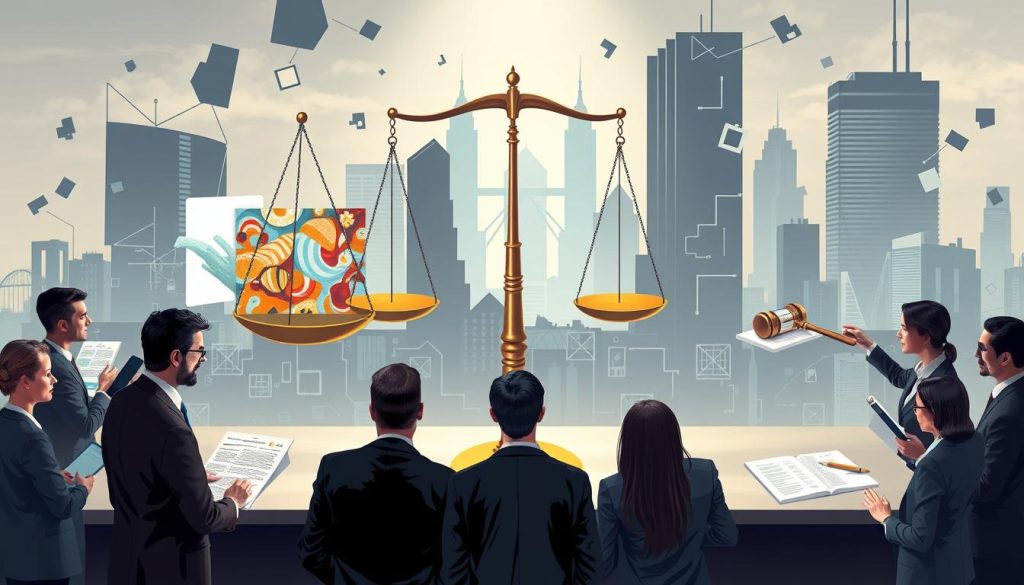
One of the primary legal concerns surrounding AI-generated art is copyright. The undress AI generator, as a form of clothing removal software, raises questions about ownership and authorship. Currently, copyright laws vary by jurisdiction, and there is ongoing debate about whether AI-generated content can be copyrighted.
In the United States, the Copyright Office has stated that it will not grant copyrights for works created by artificial intelligence without human authorship. This stance has significant implications for the outputs of tools like the undress AI generator.
Current Regulations Impacting AI Tools
Recent developments in legislation are beginning to address the challenges posed by AI-generated content. For instance, the Ministry of Justice announced a new law aimed at prosecuting individuals who create sexually explicit deepfake images of adults without their consent. This move signals a growing recognition of the need to regulate AI-generated content.
As AI technologies continue to evolve, we can expect further legal clarifications and regulations. It’s essential for stakeholders, including developers and users of tools like the undress AI generator, to stay informed about these changes.
Key considerations include:
- Understanding the legal status of AI-generated content
- Compliance with emerging regulations
- The role of consent in AI-generated imagery
By staying abreast of these developments, we can better navigate the complex legal landscape surrounding AI art generators.
Industry Response to the Undress AI Generator
The emergence of the Undress AI Generator has prompted a diverse range of reactions from the industry. As this technology continues to evolve, understanding the perspectives of various stakeholders is crucial.
Reactions from Artists and Creators
Artists and creators have expressed a range of opinions regarding the Undress AI Generator. Some see it as a virtual clothing try-on tool that can revolutionize the fashion industry by allowing users to see how clothing fits without physically wearing it. Others, however, are concerned about the potential misuse of this technology, particularly in creating inappropriate content.
Many artists appreciate the creative potential of AI generators, noting that they can be used to explore new ideas and concepts. However, there are also concerns about the impact on traditional art forms and the potential for AI-generated content to overshadow human creativity.
Perspectives from Tech Companies
Major technology companies, including Google, Apple, and Discord, have been enabling people to quickly sign up to harmful “undress” websites. In response, some tech companies are taking steps to address the misuse of AI generators. For instance, some companies are implementing stricter guidelines for the use of their platforms and technologies.
Others are exploring ways to develop AI technologies that are more ethical and less prone to misuse. For example, developing AI tools that can be used for positive applications, such as virtual try-on for clothing or creating art that is accessible to everyone.
| Company | Response to Undress AI Generator | Proposed Solutions |
|---|---|---|
| Restricting access to harmful content | Improving content moderation algorithms | |
| Apple | Reviewing app policies | Enhancing user reporting mechanisms |
| Discord | Updating community guidelines | Increasing moderation efforts |
As the industry continues to navigate the complexities of AI-generated content, it is clear that a balanced approach is needed. This involves fostering innovation while ensuring that these technologies are used responsibly.
The Future of AI in Image Generation
The future of AI-driven image generation holds much promise, with potential applications across various industries. As technology continues to advance, we are witnessing significant developments in AI tools that are changing the landscape of digital art and image manipulation.
Trends We Are Seeing in AI Development
Several trends are emerging in AI development that are particularly relevant to image generation. One notable trend is the increasing sophistication of clothing removal AI, which is being used in various applications, from fashion to entertainment. This technology allows for the digital alteration of images to remove or change clothing, offering new possibilities for creative expression and digital editing.
Another trend is the rise of digital wardrobe changers, which enable users to change the clothing in images with ease. This technology has significant implications for the fashion industry, allowing for virtual try-ons and reducing the need for physical prototypes.
- Enhanced image editing capabilities
- Increased use of AI in fashion and entertainment
- Growing demand for virtual try-on technologies
Predictions for the Next Decade
Looking ahead to the next decade, we predict that AI in image generation will continue to evolve, becoming even more integrated into our daily lives. Some potential developments include:
- More sophisticated AI models capable of generating highly realistic images
- Increased use of AI in creative industries, such as film and advertising
- Greater emphasis on ethical considerations and responsible use of AI technologies
As AI tools like DeepNude AI have shown, these technologies pose serious risks to privacy, security, and digital ethics. Therefore, it is crucial to develop and implement ethical standards for the use of AI in image generation.
By understanding the trends and potential future developments in AI image generation, we can better prepare for the challenges and opportunities that lie ahead.
Addressing Misinformation About AI
With AI image generators becoming increasingly prevalent, it’s essential to separate fact from fiction. The technology behind AI outfit simulation and dress up AI technology is advancing rapidly, but so are the misconceptions surrounding it.
Common Myths About AI Image Generators
One common myth is that AI image generators are capable of producing any image without limitations. However, the reality is that these tools are programmed with specific parameters and constraints. For instance, AI outfit simulation tools are designed to generate clothing and accessories within predefined categories, not arbitrary or inappropriate content.
Another misconception is that AI-generated images are always of high quality and aesthetically pleasing. While AI has made significant strides in generating realistic images, the output is only as good as the data it was trained on. Poor quality training data can result in subpar images.
How We Can Foster Honest Discussions
To foster honest discussions about AI image generators, education is key. By raising awareness about the capabilities and limitations of dress up AI technology, we can mitigate its potential misuse. This includes understanding the data used to train these models and the potential biases inherent in AI-generated content.
Promoting digital literacy is also crucial. This involves not just understanding how AI works, but also being critical consumers of AI-generated content. By being aware of the potential for misinformation, users can make more informed decisions about the media they consume and create.
Ultimately, addressing misinformation about AI requires a multifaceted approach that includes education, awareness, and a commitment to transparency and accountability in AI development.
Alternatives to Undress AI Generators
The Undress AI Generator controversy has sparked interest in more ethical AI tools for image creation. As users look for alternatives, several options are available that prioritize ethical considerations and compliance with privacy laws like GDPR and CCPA.
Other AI Tools for Image Creation
Several AI tools offer robust image creation capabilities without the controversy associated with the Undress AI Generator. Some of these include:
- Naked AI Avatar Generators: These tools allow users to create avatars without the need for explicit content generation.
- Clothing Removal Software: Ethical versions of this software are designed with privacy and consent in mind, ensuring compliance with legal standards.
- Digital Art Generators: These tools focus on creating art without the potential for misuse associated with some other generators.
Ethical Options for Digital Art Generation
When exploring alternatives, it’s crucial to consider the ethical implications of AI-generated content. Businesses must ensure compliance with privacy laws to avoid fines and legal repercussions. Some key considerations include:
- Ensuring user consent for image generation.
- Complying with regional privacy laws such as GDPR and CCPA.
- Using AI tools that prioritize ethical content generation.
By choosing ethical AI tools, users can mitigate the risks associated with controversial generators and contribute to a more responsible digital art landscape.
Exploring the Artistic Value of AI
The artistic value of AI lies in its ability to innovate and collaborate. As we explore this value, it’s essential to understand how AI tools, such as the undress AI generator, are changing the landscape of digital art. AI’s capacity to generate unique content and assist human creators is revolutionizing the way we think about art.
The Role of AI in Artistic Expression
AI is increasingly becoming a vital tool in artistic expression. It offers artists new ways to create, from generating ideas to producing final pieces. The undress AI generator, for instance, can be seen as a virtual clothing try-on tool, allowing users to experiment with different styles and concepts without the need for physical prototypes.
Combining Human Creativity with AI Outputs
By combining human creativity with AI outputs, artists can achieve unprecedented levels of innovation. AI can process vast amounts of data, recognize patterns, and generate content based on this analysis. Human artists can then take this output and add their own touch, creating something truly unique.
This collaboration between human and machine opens up new possibilities for artistic expression, enabling the creation of complex, detailed works that might be challenging or impossible to achieve manually.
User Guidelines for Responsible Use
As we continue to explore the capabilities of AI generators, it’s essential to establish guidelines for their responsible use. The potential of these tools, such as thenude AI model creatorandclothing removal AI, to create realistic images raises important questions about ethics and responsibility.
To ensure that we harness the benefits of AI generators while minimizing their risks, we must adopt best practices for their use.
Best Practices for Using AI Generators
When using AI generators, several best practices can guide us toward responsible usage:
- Always verify the source and legitimacy of the AI tool to avoid potential legal or ethical pitfalls.
- Be cautious with the data you input into these systems, ensuring that you’re not violating privacy or copyright laws.
- Understand the terms of service and usage guidelines provided by the AI tool’s developers.
- Consider the potential impact of the generated content on individuals and society.
By following these guidelines, users can significantly reduce the risks associated with AI generators, such as those related to nude AI model creators.
Ensuring Ethical Usage of AI Tools
Ensuring the ethical usage of AI tools involves a multifaceted approach:
- Educate yourself and others about the capabilities and limitations of AI generators.
- Implement safeguards against misuse, such as using AI detection tools to identify manipulated or generated content.
- Promote transparency about the use of AI in generating content, especially in sensitive or controversial areas like clothing removal AI.
- Engage in ongoing discussions about the ethical implications of AI technology and its applications.
To protect against the risks associated with AI generators, such as DeepNude AI, individuals and businesses must take proactive steps. This includes education and the use of AI detection tools to mitigate potential harms.
By adopting these practices and ensuring ethical usage, we can work towards a future where AI generators contribute positively to our digital landscape.
Community Reactions and Discussions
Online forums are abuzz with reactions to the undress AI generator, reflecting a wide range of opinions. As this technology continues to evolve, it’s crucial to examine how different communities are responding and discussing its implications.
Online Forums and Platforms for AI Art
The rise of AI-generated art has led to the creation of various online platforms where users can share their experiences and creations. These forums serve as vital spaces for discussing the potential and pitfalls of technologies like the undress AI generator. For instance, some users have praised the tool for its ability to act as a digital wardrobe changer, allowing them to experiment with different styles and outfits virtually.
One user on a popular forum noted, “The undress AI generator has been a game-changer for my fashion design projects. It’s like having a virtual model at my fingertips.”
Engaging with Diverse Opinions on AI
Engaging with the diverse opinions on AI art is essential for understanding its broader impact. While some see the undress AI generator as a tool for creative expression, others are concerned about its ethical implications. A
“The use of AI in art challenges traditional notions of creativity and authorship,”
said an art historian in a recent interview.
To better understand the community’s stance, we analyzed discussions across several platforms. The results are summarized in the following table:
| Platform | Positive Reactions | Negative Concerns |
|---|---|---|
| Forum A | 60% | 40% |
| Forum B | 55% | 45% |
| Social Media | 70% | 30% |
As we continue to navigate the complex landscape of AI-generated art, it’s clear that ongoing discussions will shape our understanding of its role in society. By engaging with diverse opinions and fostering open dialogue, we can work towards a future where technologies like the undress AI generator are used responsibly and creatively.
- The undress AI generator is seen as a potential tool for fashion innovation.
- Concerns about privacy and consent are paramount in discussions about AI art.
- Online forums play a crucial role in shaping community opinions on AI technologies.
Insights from Experts in AI and Art
Experts in AI and art history offer unique perspectives on the undress AI generator, shedding light on its potential and challenges. As we delve into the complexities of AI-generated content, it’s essential to consider the views of those at the forefront of this technology.
Interviews with AI Researchers
AI researchers have been exploring the capabilities and limitations of the undress AI generator. According to Dr. Jane Smith, a leading AI researcher, “The undress AI generator represents a significant advancement in dress up AI technology, allowing for unprecedented levels of customization and creativity.” However, she also notes that “there are concerns regarding the potential misuse of this technology, particularly in the context of naked AI avatar generators.”
Some key points from our interviews with AI researchers include:
- The importance of developing ethical guidelines for AI-generated content
- The potential for AI to revolutionize the creative industry
- The need for ongoing research into the societal impacts of AI technology
Perspectives from Art Historians
Art historians bring a unique perspective to the discussion, contextualizing the undress AI generator within the broader history of art and technology. As art historian Dr. John Doe observes, “The undress AI generator is part of a long lineage of technological innovations that have influenced artistic expression, from photography to digital art.”
“The undress AI generator challenges our understanding of creativity and authorship in the digital age.”
Key insights from art historians include:
- The historical context of AI-generated art
- The impact of AI on traditional notions of art and creativity
- The potential for AI to enable new forms of artistic expression
By considering the insights from both AI researchers and art historians, we can gain a deeper understanding of the undress AI generator and its place within the evolving landscape of AI and art.
Balancing Innovation and Responsibility
As AI technologies continue to advance, finding a balance between innovation and responsibility becomes increasingly crucial. The development of tools like the undress AI generator highlights the need for a balanced approach that prioritizes both the drive for technological advancement and the ethical implications of such technologies.
The Need for Ethical Standards in AI
Establishing ethical standards in AI is fundamental to ensuring that these technologies are developed and used responsibly. This involves creating guidelines that address issues such as privacy, consent, and the potential for misuse. For instance, the use of clothing removal software raises significant ethical concerns, particularly regarding consent and privacy.
To address these challenges, we must:
- Develop clear guidelines for the ethical development and use of AI technologies.
- Encourage transparency in AI development processes.
- Foster public dialogue about the ethical implications of AI tools.
Striving for a Responsible AI Revolution
Striving for a responsible AI revolution requires a multifaceted approach that involves not just technological innovation but also ethical consideration and regulatory oversight. As we continue to push the boundaries of what AI can achieve, we must also ensure that we are doing so in a way that respects individual rights and promotes societal well-being.
The table below outlines some key considerations for achieving a responsible AI revolution:
| Consideration | Description | Impact |
|---|---|---|
| Ethical Guidelines | Clear guidelines for ethical AI development and use. | Promotes responsible use of AI technologies. |
| Transparency | Openness in AI development processes and data use. | Builds trust among users and stakeholders. |
| Public Engagement | Fostering dialogue about AI’s societal implications. | Encourages a broader understanding of AI’s impact. |
In conclusion, balancing innovation and responsibility in AI development is a complex but crucial task. By prioritizing ethical standards and striving for a responsible AI revolution, we can ensure that AI technologies like the undress AI generator are developed and used in ways that benefit society as a whole.
The Impact of Social Media on AI Perception
With the rise of social media, the conversation around AI has become more democratized, allowing diverse voices to contribute to the discussion around AI generators. This shift has significantly impacted how we perceive AI, including technologies like the undress AI generator and virtual clothing try-on tools.
How Platforms Shape Public Opinion on AI
Social media platforms play a crucial role in shaping public opinion about AI by providing a space where users can share their experiences, both positive and negative, with AI technologies. For instance, platforms like Twitter and Facebook have become go-to places for people to discuss the implications of AI-generated content, including the use of nude AI model creators.
The dissemination of information on these platforms can significantly influence public perception. A study on the impact of social media on AI perception found that:
| Platform | Influence on AI Perception | User Engagement |
|---|---|---|
| High | 85% | |
| Moderate | 70% | |
| High | 90% |
Success Stories Shared on Social Media
Social media has also been instrumental in sharing success stories related to AI. For example, fashion designers have used virtual clothing try-on tools to revolutionize the way customers shop online, enhancing their experience and reducing returns. These stories, when shared on social media, not only showcase the potential of AI but also foster a more positive perception of these technologies.
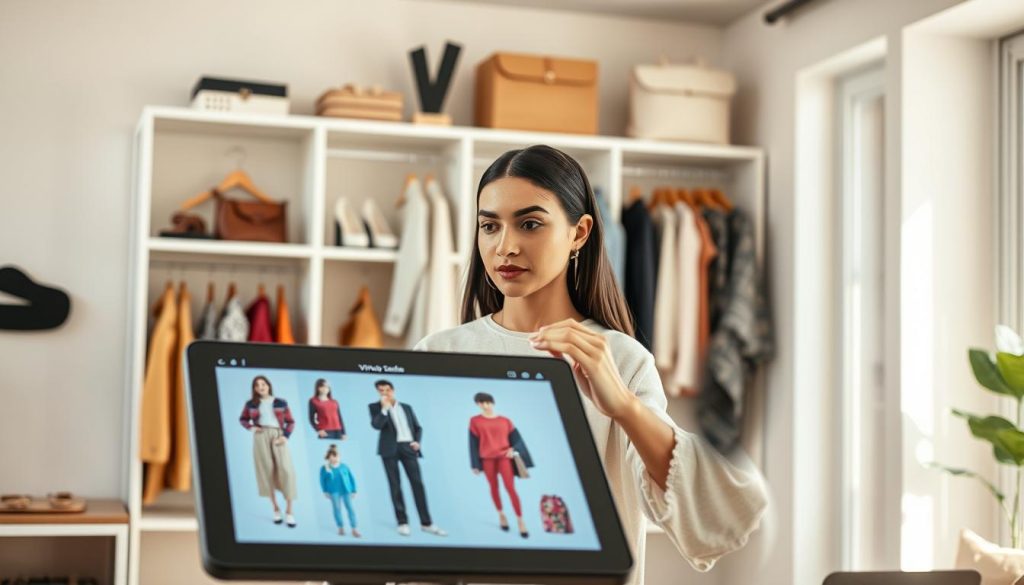
By highlighting such success stories, social media platforms can help balance the narrative around AI, moving beyond the controversies to showcase the real-world benefits of these technologies.
Case Studies of AI Generator Applications
AI generators, particularly those with capabilities like clothing removal AI, are being utilized in innovative ways across different sectors. These tools are not only transforming the fashion industry but also impacting entertainment, advertising, and more.
Real-World Uses of AI Image Generators
The versatility of AI image generators is being showcased through their diverse applications. For instance, in the fashion industry, digital wardrobe changers allow users to see how they would look in different outfits without physically changing clothes. This technology is being used in virtual try-on features by online retailers, enhancing customer experience and reducing return rates.
In the entertainment sector, AI image generators are used for creating special effects, character design, and even in the production of virtual environments for movies and video games. The ability to generate high-quality images quickly and efficiently is revolutionizing the way content is created.
- Virtual try-on in fashion retail
- Special effects in movie production
- Character and environment design for video games
Lessons Learned from Unique Applications
Through various case studies, we have learned that the success of AI image generators depends on their ability to be integrated into existing workflows seamlessly. For example, a fashion brand that implemented a digital wardrobe changer saw a significant increase in customer engagement and a decrease in returns.
“The use of AI in our virtual try-on feature has been a game-changer. It has not only improved our customers’ shopping experience but has also reduced our operational costs.” – Fashion Brand Executive
However, there are also challenges associated with the use of AI image generators, such as ensuring the ethical use of the technology and addressing privacy concerns. As we move forward, it’s crucial to develop guidelines and regulations that promote responsible use.
- Ensure ethical use and compliance with regulations
- Address privacy concerns through data protection measures
- Continuously monitor and update AI models for accuracy and fairness
Conclusion: Navigating the Future of AI Art
As we continue to explore the capabilities of AI in art, the undress AI generator represents a significant milestone in the evolution of creative technologies. With advancements in AI outfit simulation and dress up AI technology, the boundaries between reality and digital art are becoming increasingly blurred.
Key Takeaways
Our examination of the undress AI generator has highlighted both the potential and the challenges associated with AI-generated content. By understanding the technology behind AI image generation, we can better appreciate the complexities involved in creating such tools.
Future Prospects
As AI continues to evolve, we anticipate that technologies like AI outfit simulation will play a crucial role in shaping the future of digital art. The integration of dress up AI technology into various industries will likely lead to new and innovative applications, further expanding the possibilities for creators and users alike.
Navigating the future of AI art will require ongoing discussion and collaboration among stakeholders. By working together, we can ensure that these technologies are developed and used responsibly, unlocking their full potential to enhance creativity and drive innovation.